Course Description
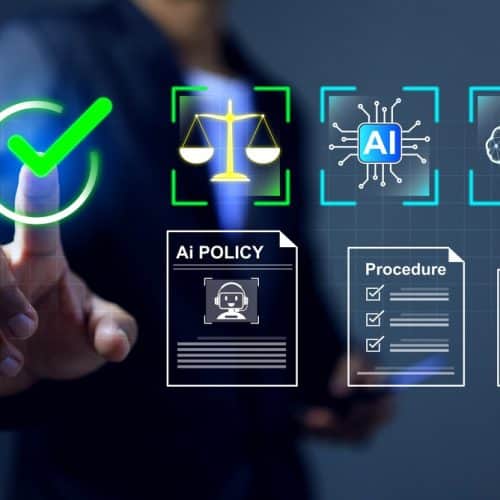
AI tools have increasingly become a part of everyday business operations, often faster than the policies meant to govern them. As a result, many companies have significant AI deployments, frequently with no rules in place to govern how AI systems are procured, built, or used. More and more businesses need a real governance framework for AI, and many are turning to lawyers to build it.
This course walks through the documents that make up a corporate AI governance program and how to assemble them into a working framework. The session will explain the purpose of each document, what they cover, as well as how to customize them depending on a company’s size, industry, and operations. Participants will walk away with a practical framework for advising any business that needs to put AI governance in place.
Principles
- The legal risks businesses face when they use AI without governance in place
- The core documents of a corporate AI governance program and what each one does
- Setting the rules through an AI policy, internal standards, and an employee acceptable use policy
- How to screen AI vendors, plan for AI incidents, and assess the risk of each AI system
- Guidance for tailoring a program to a client’s size and industry
- Key drafting mistakes to avoid when developing an AI governance program
Syllabus
- The Importance of AI Governance
- What an AI governance program is and what purpose it serves
- The risks of deploying AI without governance structures in place
- Relevant legal and industry standards
- The Core Documents: Policy, Standards, and Acceptable Use
- The AI governance policy: principles, roles, and core rules
- Standards: procedures for managing AI across its lifecycle
- The acceptable use policy: approved tools, data handling, output review, and prohibited uses
- Managing Vendor, Incident, and Classification Risk
- Vendor screening questionnaires and the contract terms they drive
- Incident response for AI-specific failures
- Risk assessment and classifying AI systems
- Customizing an AI Governance Framework
- How a company’s size, industry, and existing policies impact AI governance
- Common Pitfalls and First Steps
- Common drafting mistakes
- Where to start in developing an AI governance framework